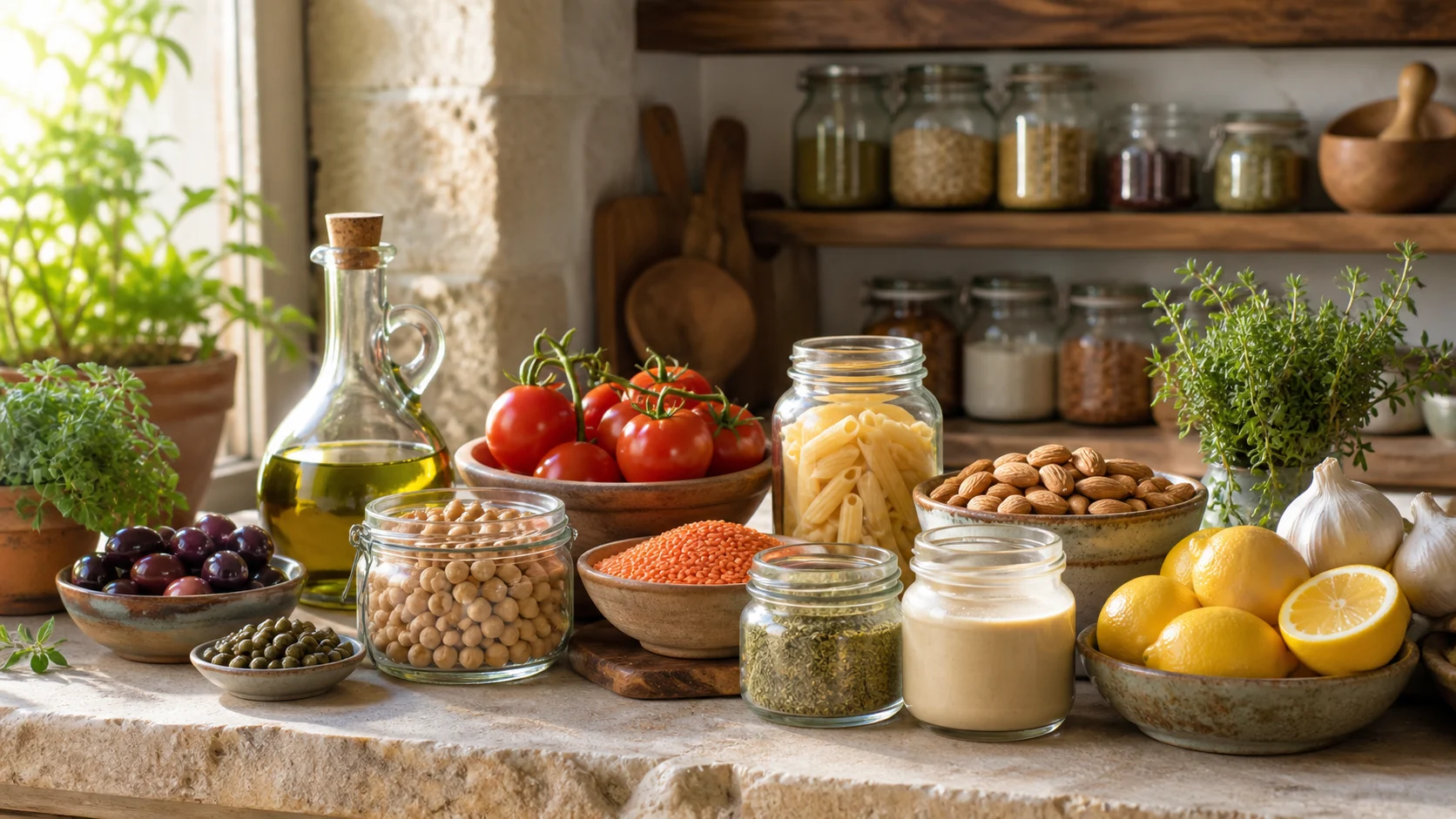
A Mediterranean pantry is not a decorative collection of jars. It’s a small architecture of the meal: a nourishing base, a legume, a preserved plant product, fat, acidity and aromatics. With twelve well-chosen products, you can improvise a generous table without making multiple purchases or letting leftovers get forgotten.
- Pantry
- Mediterranean cuisine
- Cupboard
- Legumes
- Olive oil
- Quick meals
- Anti-waste
The closet as a memory of the season
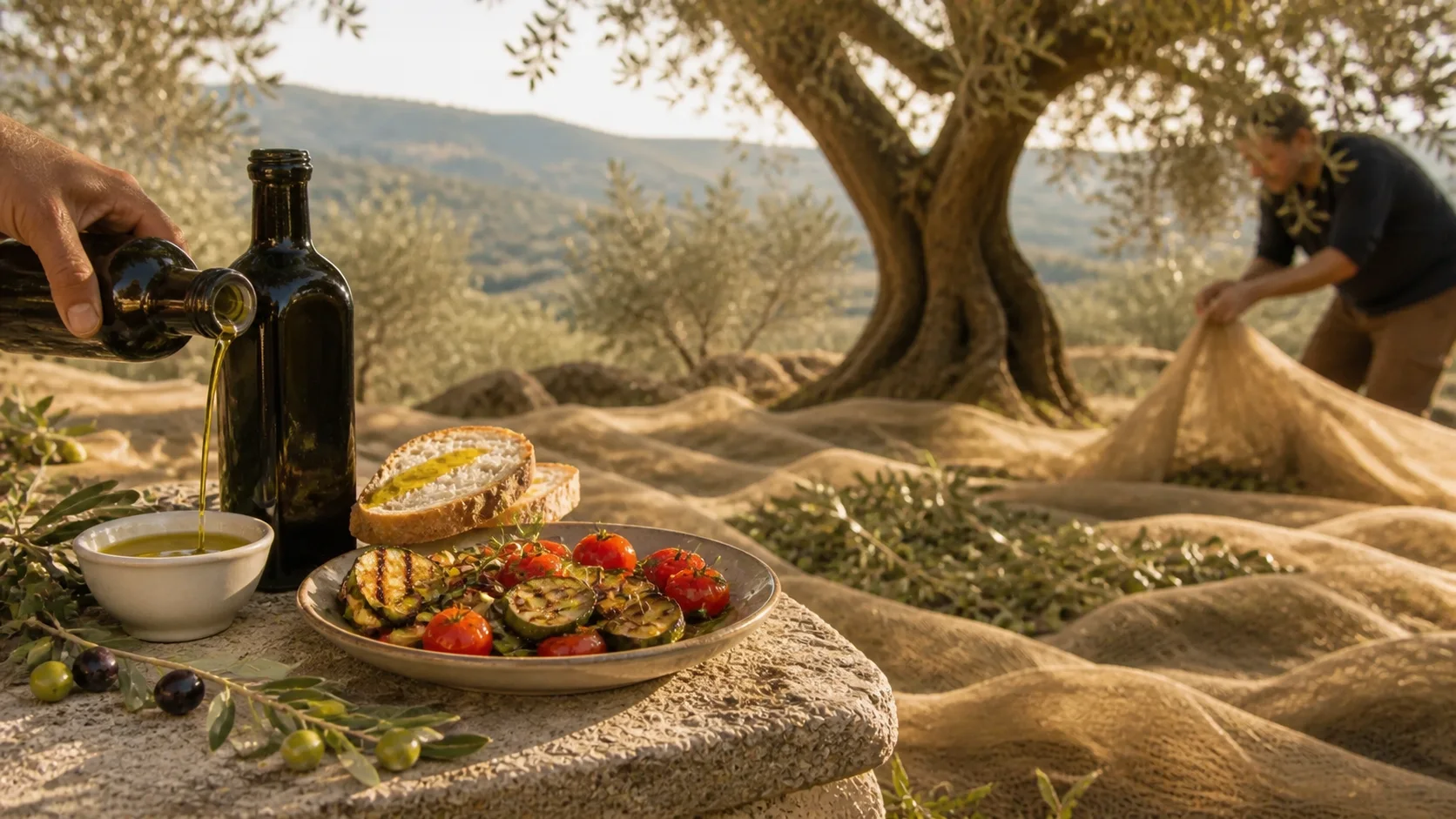
Around the Mediterranean, preserving has never meant giving up taste. Drying, salting, fermentation, oil, vinegar and jarring prolong the harvest and make it possible to welcome a guest even when the market is far away. UNESCO also describes the Mediterranean diet as a set of skills ranging from culture to meal sharing, and not as a simple nutritional list.
The modern closet can keep this logic: few products, but each has several uses. A can of chickpeas becomes salad, soup, hummus or roast topping. A canned tomato becomes a sauce, stew, shakchouka or soup base. Variety comes from combinations, not number of packages.
The twelve essentials and what they can do
| Product | Role | Three uses | To watch |
|---|---|---|---|
| Extra virgin olive oil | Gentle cooking, seasoning, finishing | vinaigrette, roasted vegetables, soup | light, heat and bottle too large |
| Canned tomatoes | Vegetable base ready to cook | sauce, stew, shakchouka | transfer the rest after opening |
| Chickpeas | Texture and vegetable proteins | hummus, salad, stew | rinse canned goods if necessary |
| Lentils | Economy and filling meal | soup, warm salad, stuffing | adapt cooking to variety |
| Pasta or semolina | Quick base | hot dish, salad, side dish | buy the size actually used |
| Olives | Salt, fruity and depth | sauce, salad, garnish | keep in their brine |
| Capers | Acidity and relief | fish, tomato, vegetables | measure before re-salting |
| Tahini | Instant creaminess | sauce, spread, soup | stir separated oil |
| Almonds or walnuts | Crunchy and finish | salad, cereals, pesto | heat and rancidity |
| Lemon | Freshness and balance | vinaigrette, marinade, finishing | take the zest before the juice |
| Garlic | Aromatic base | sauce, soup, vegetables | remove damaged cloves |
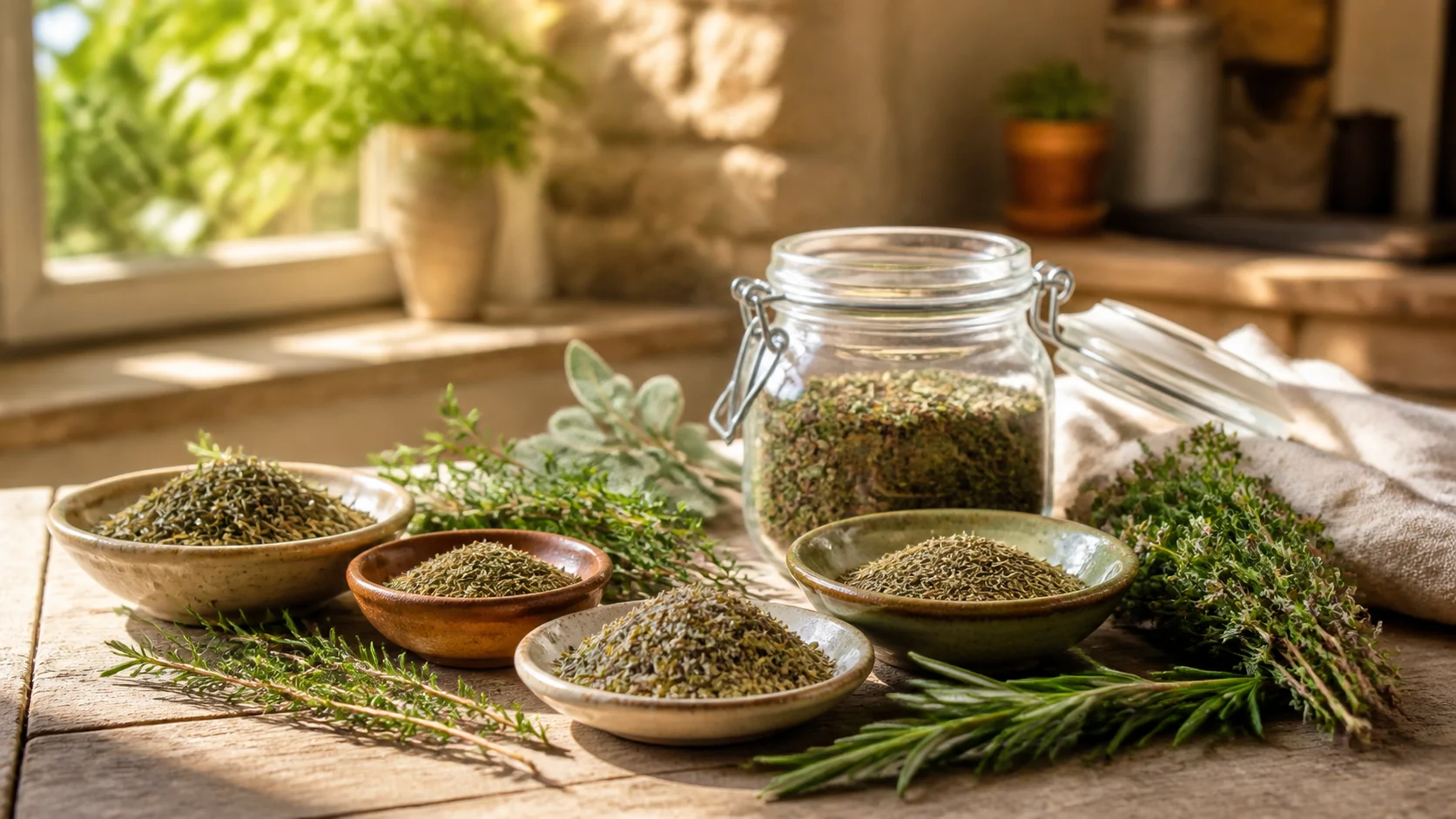
| Herbs and spices | Change the direction of the dish | thyme, cumin, paprika | date the jars and avoid steam |
The simple formula that avoids running out of ideas
Choose a base + a legume or another protein + a vegetable + a sauce + a finish. The base satiates, the vegetable brings freshness or sweetness, the sauce ties it all together and the finish creates contrast. The same cupboard thus produces very different plates.
Pasta, semolina, rice, bread or potatoes according to your habits.
Chickpeas, lentils, eggs, fish or leftovers volaille.
Tomate conservée, légume rôti, crudité ou verdure de season.
Lemon oil, spicy tomato or relaxed tahini water.
Olives, capers, nuts, fresh herbs or lemon zest.
Taste for acidity, salt and texture before serving.
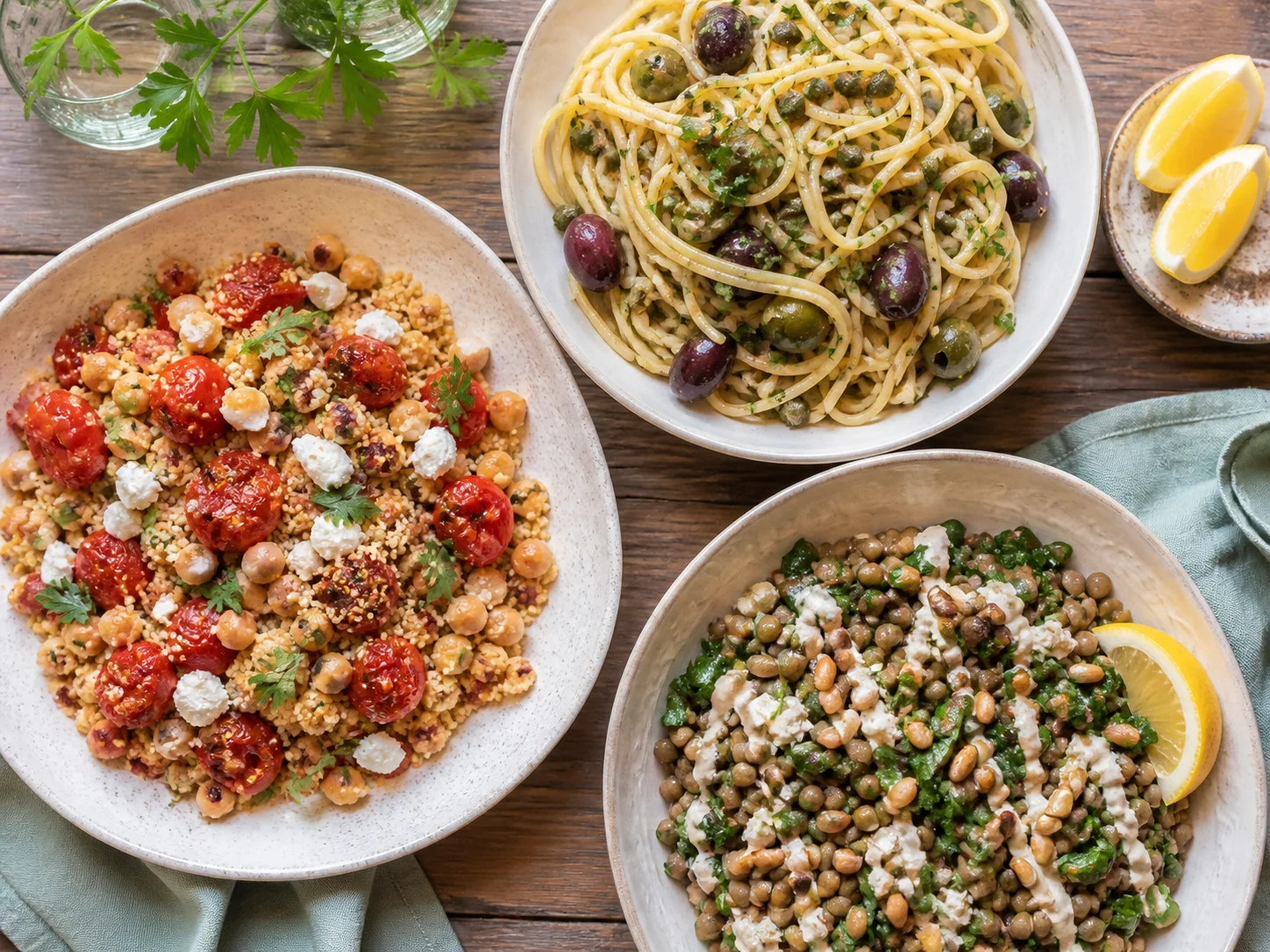
Three emergency menus that don't look like leftovers
Semolina, chickpeas and roasted tomatoes
Hydrate the semolina. Brown garlic, cumin and tomatoes, add the chickpeas then finish with lemon and olive oil. Toasted almonds add crunch. If you have a fresh herb, just add it to serving.
Pasta with olives, capers and lemon
Gently heat the garlic, olives and capers in the oil. Add the pasta and a little of its cooking water to emulsify. Lemon zest and crushed walnuts transform this very simple preparation into a complete and fragrant dish.
Warm lentils, tahini and herbs
Mix drained lentils with a sauce of tahini, water, lemon and garlic. Add paprika, herbs and a crunchy element. Serve on bread or with raw vegetables. The sauce can be stored separately and can accompany vegetables the next day.
Store to view, use and renew
- Group by function. Place the bases, legumes, preserves and seasonings together.
- Put the old one in front. Each new purchase goes behind the product already present.
- Note the opening. A small date on the jar avoids mistakes. riddles.
- Create a “to finish” area.Open packages and small quantities become the priority for the next meal.
- Do a monthly inventory.Three minutes are enough to choose menus before repurchasing.
After opening:
Always follow the label. Transfer leftover canned goods to a clean container, keep olives and capers covered in their liquid, and protect nuts, seeds and oil from heat. If there is an abnormal odor, a bulging lid, or mold, do not taste to “check.”
Buy methodically rather than on promotion
The best format is the one that the home finishes. A large bottle of oil forgotten near the oven or a kilo of nuts that go rancid costs more than suitable packaging. Start with the twelve products, observe what you actually use, then add only the specialties that meet your usual recipes.
- Prefer versatile products capable of being used in at least three meals.
- Compare the price to the weight, but also the quantity actually consumed.
- Keep a short list of reserves before going to the market.
- Plan a cupboard party every week to rotate stocks.
- Supplement with fresh produce rather than buying a new sauce for each recipe.
Frequently asked questions
Do you have to buy all the references at the same time?
No. Start with the products present in your usual meals, then gradually add to them. The system should serve your kitchen, not the other way around.
Do canned goods have their place in a good kitchen?
Yes. They allow you to preserve seasonal foods and cook quickly. Read the composition, adapt the salt and combine them with fresh products.
How to prevent nuts from becoming rancid?
Buy a reasonable quantity, close the bag tightly and keep it cool, away from light. The refrigerator can be useful for longer storage.
What to do when there are only a small quantity of several products left?
Transform them into mixed salad, soup, stuffing or platter of spreads. A common sauce and fresh finish gives consistency.
Sources and benchmarks
Culinary organization guide updated in August 2026. Shelf life depends on the product, its packaging and the manufacturer's instructions.